Massage Therapy
April 2, 2024
How Does Massage Therapy Reduce Stress? Understand The Science
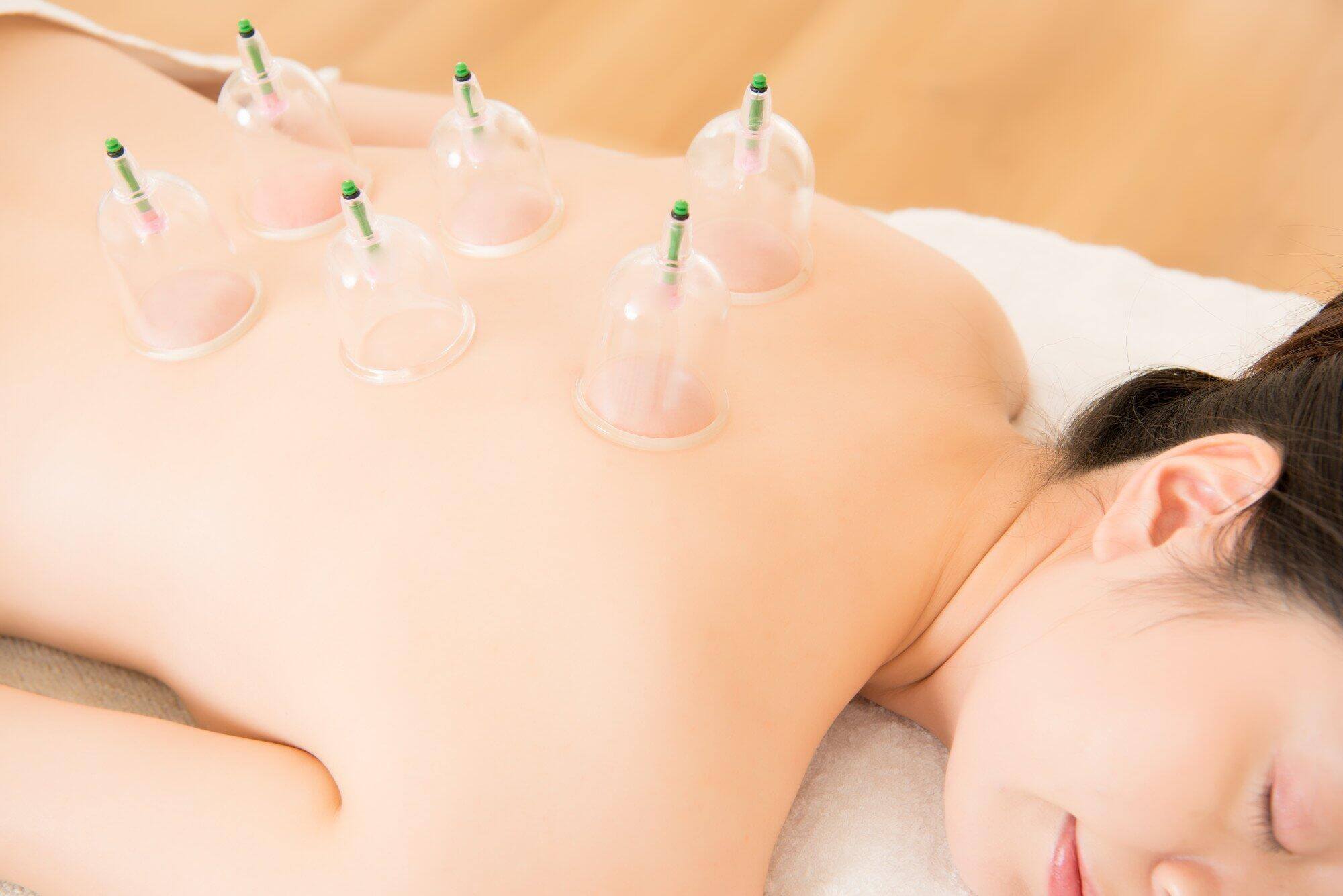
Stress isn’t like a cold or flu that you can catch from someone else. It’s more like a silent illness that sneaks up on you. Too much stress from your job, relationships, or even just watching the news can affect you.
In today’s fast-paced world, stress has become a common part of life. From work deadlines to personal obligations, it’s easy to feel overwhelmed and tense. Luckily, massage therapy is a good, natural solution that can help reduce stress and encourage relaxation.
Stress isn’t something to be ignored. But just how does massage therapy reduce stress? This article looks at the science behind this ancient healing practice and uncovers the mechanisms that make it so effective.
So, keep reading to find effective ways to manage your health and well-being through stress relief massages.
Understanding Stress and Its Symptoms
Before we explore how massage therapy combats stress, we first have to understand what stress is and how it manifests in the body. Stress is the body’s natural response to perceived challenges or threats, triggering a cascade of physiological and psychological reactions. Common symptoms of stress include:
- Muscle tension and stiffness
- Headaches
- Fatigue
- Irritability
- Difficulty concentrating
- Sleep disturbances
If left unchecked, chronic stress can result in grave health issues such as high blood pressure and weakened immune function. Stress can also add to mental health disorders like depression and anxiety.
Benefits of Massage Therapy for Stress Reduction
Massage therapy has long been acknowledged as an effective tool for stress relief, but what exactly makes it so beneficial? Let’s explore the science behind some of the key mechanisms that contribute to its stress-reducing effects:
Relaxation Response
Massage therapy helps induce the body’s relaxation response. This is a physiological state characterized by:
- Decreased heart rate
- Lowered blood pressure
- Decreased levels of stress hormones like adrenaline and cortisol
This shift from “fight or flight” mode to “rest and digest” promotes deep relaxation and a sense of calm.
Muscle Tension Release
One of the hallmark symptoms of stress is muscle tension and stiffness. Massage therapy targets these tense areas, using techniques like kneading, compression, and stretching to release muscular tension and promote blood flow. This alleviates physical discomfort and helps relax the mind, as tension in the body is often mirrored by tension in the mind.
Increased Circulation
Massage therapy improves blood circulation all over the body. This helps to bring the needed nutrients and oxygen to the tissues while flushing out toxins and metabolic waste products. This enhanced circulation helps to:
- Promote relaxation
- Reduce inflammation
- Facilitate the body’s natural healing processes
Neurotransmitter Regulation
Massage therapy has been shown to increase the production of neurotransmitters like serotonin and dopamine, which are often referred to as the body’s “feel-good” chemicals. These neurotransmitters play a vital role in managing moods, emotions, and stress responses and help promote feelings of happiness and relaxation.
Best Massage for Stress Relief
Not every massage is created equal when it comes to stress relief. Different techniques and modalities may offer varying benefits depending on individual preferences and needs. Consider some of these popular options to find the best massage for stress relief:
Swedish Massages
Swedish massage, also known as classic massage, uses long, gliding strokes, kneading, and gentle tapping or percussion. The therapist uses oil or lotion to lessen friction on the skin and enhance smooth movements. The goal is to encourage relaxation and improve circulation while targeting superficial muscles.
Swedish massage benefits for stress relief include:
- Long-lasting relief from chronic tension and discomfort
- Improved mobility
- Reduced stiffness d
- Mental stress relief and
- Deeper relaxation
Deep Tissue Massages
Deep tissue massages concentrate on the deeper layers of muscle and tissue to tackle chronic tension and tightness. The therapist uses slow, firm pressure and techniques like stripping or friction to target specific areas of tension and discomfort.
Deep tissue massage effectively releases stubborn knots and adhesions in the muscles, providing long-lasting relief from chronic tension and discomfort.
Deep-tissue massage can help:
- Enhance range of motion
- Increase flexibility
- Reduce stiffness
- Promote relaxation
The intense pressure and focused attention on specific areas of tension can help:
- Release pent-up emotions and mental stress
- Promote a sense of emotional and physical wellness
Aromatherapy Massages
Aromatherapy massage blends the therapeutic advantages of massage with the use of essential oils harvested from plants. These oils are picked for their specific properties and scents, which can have a profound effect on moods and emotions. The therapist incorporates the oils into the massage session through diffusion, direct inhalation, or dilution in carrier oils.
Aromatherapy massage uses essential oils with relaxing properties, such as lavender, chamomile, and bergamot. These oils help calm the mind and reduce feelings of stress and anxiety.
The gentle massage techniques combined with essential oils create a sensory experience that supports deep relaxation and a sense of well-being. Certain essential oils have mood-balancing properties that can help:
- Uplift the spirits
- Reduce tension
- Promote emotional stability
The Role of the Massage Therapist
In addition to the specific massage technique chosen, the skills and expertise of the massage therapist also play a crucial role in the effectiveness of the treatment. A knowledgeable and experienced massage therapist will adapt the session to manage your specific needs and preferences, ensuring a personalized and therapeutic experience.
In addition to providing massage therapy during sessions, therapists may offer guidance on self-care practices and techniques to manage stress more effectively. This may include recommendations such as:
- Stretching exercises
- Relaxation techniques
- Lifestyle modifications to support overall well-being
Final Thoughts: How Does Massage Therapy Reduce Stress
As we wrap up this exploration, we trust you now have a clearer understanding of how massage therapy reduces stress. So don’t wait, treat yourself to the rejuvenating experience of a stress-relieving massage at Faces Spa.
Our quiet sanctuary off of 84th Street in Omaha, offers custom-designed massages for an exceptional stress-relief experience. When you visit us, you will be transported to a peaceful space designed to pamper you from the moment you arrive.
Book an appointment online or give us a call at (402) 384-8400 to benefit from some of these amazing results.
Have Questions?
402.384.8400
Address:
2605 South 84th Street
Omaha, NE 68124